Why Do I Take Trades I Know I Shouldn't? Seeing the Pull Before the Click
Dylan Forexia6 min read
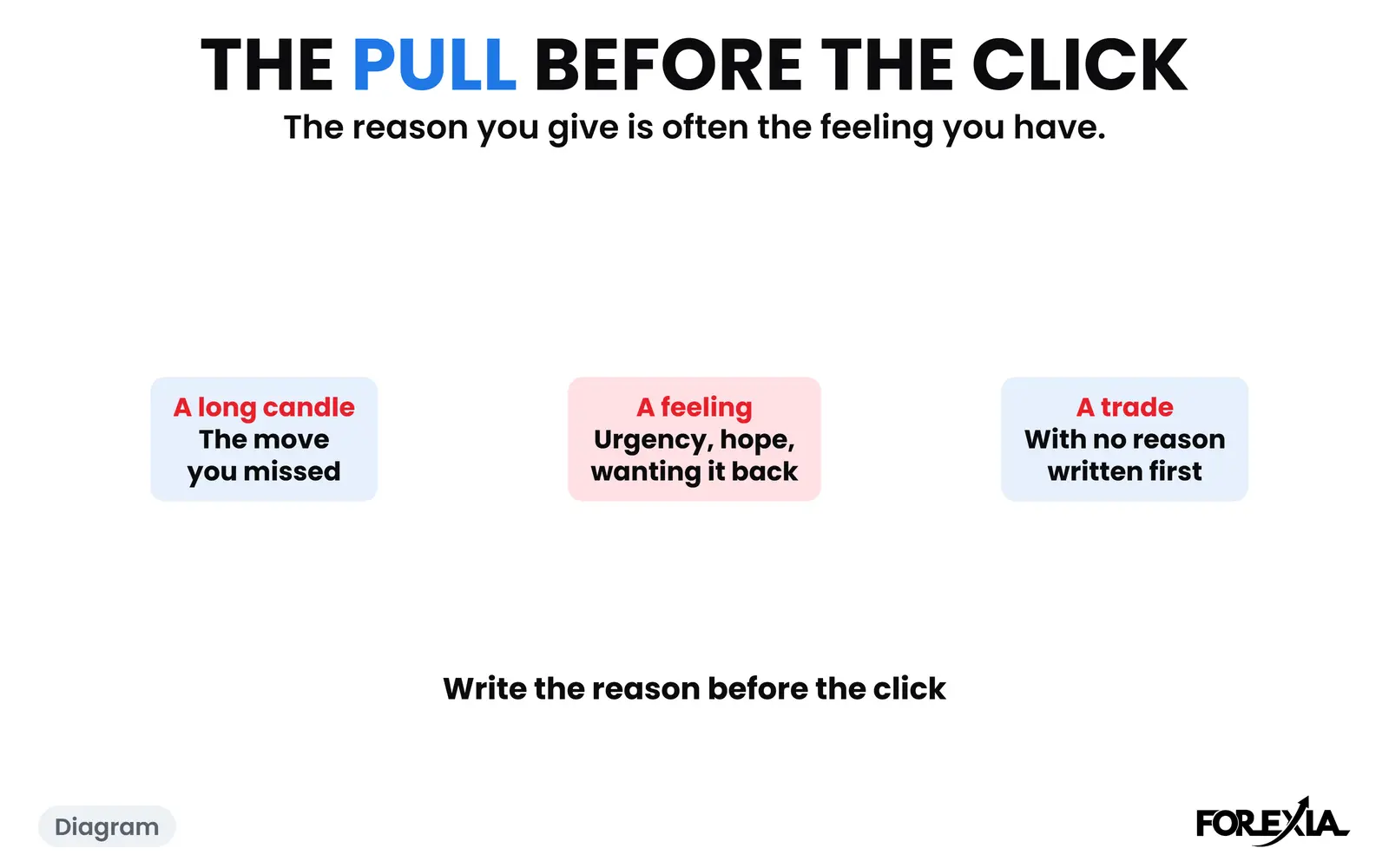
You take trades you know you shouldn't because knowing a rule and following it under pressure are different skills, and several pulls work against the rule at once. A long candle grabs your attention, trading is entertaining, and you feel you have finally read it right. None of that is a character flaw. All of it is visible if you write your reason before the click.
This page sets out what the research points to, follows one real day where the pull shows in the candles, and gives you a note to write that makes the pull visible. It makes no promise that the note improves results.
Why do I take trades I know I shouldn't?
The research points to three pulls, and none was measured on forex, so treat them as the nearest evidence.
- Attention. Barber and Odean (2008) found that individual investors tend to buy what has just grabbed their attention: stocks in the news, with unusual volume or extreme moves. A long candle on your screen does the same thing.
- Entertainment. Dorn and Sengmueller (2009) studied 1,000 German brokerage clients. Those who said they enjoyed investing or gambling turned over their portfolios at twice the rate of their peers. If a session is the best part of your day, a quiet one is hard to sit through.
- Overconfidence. In Barber and Odean's study of 66,465 US households, those who traded most earned 11.4% a year when the market made 17.9%, and the authors read it as overconfidence. That is an inference from the trading, because nobody measured confidence directly.
There is a fourth, which is other people. In the one forex study the hub cites, giving retail traders access to a social trading network nearly doubled their tendency to bank gains and hold losses. People catch trading habits from each other. The NPC is our word for the predictable follower of the same script, and it is a reading, not a finding.
What does the pull look like on a chart? AUD/USD, 9 April 2026
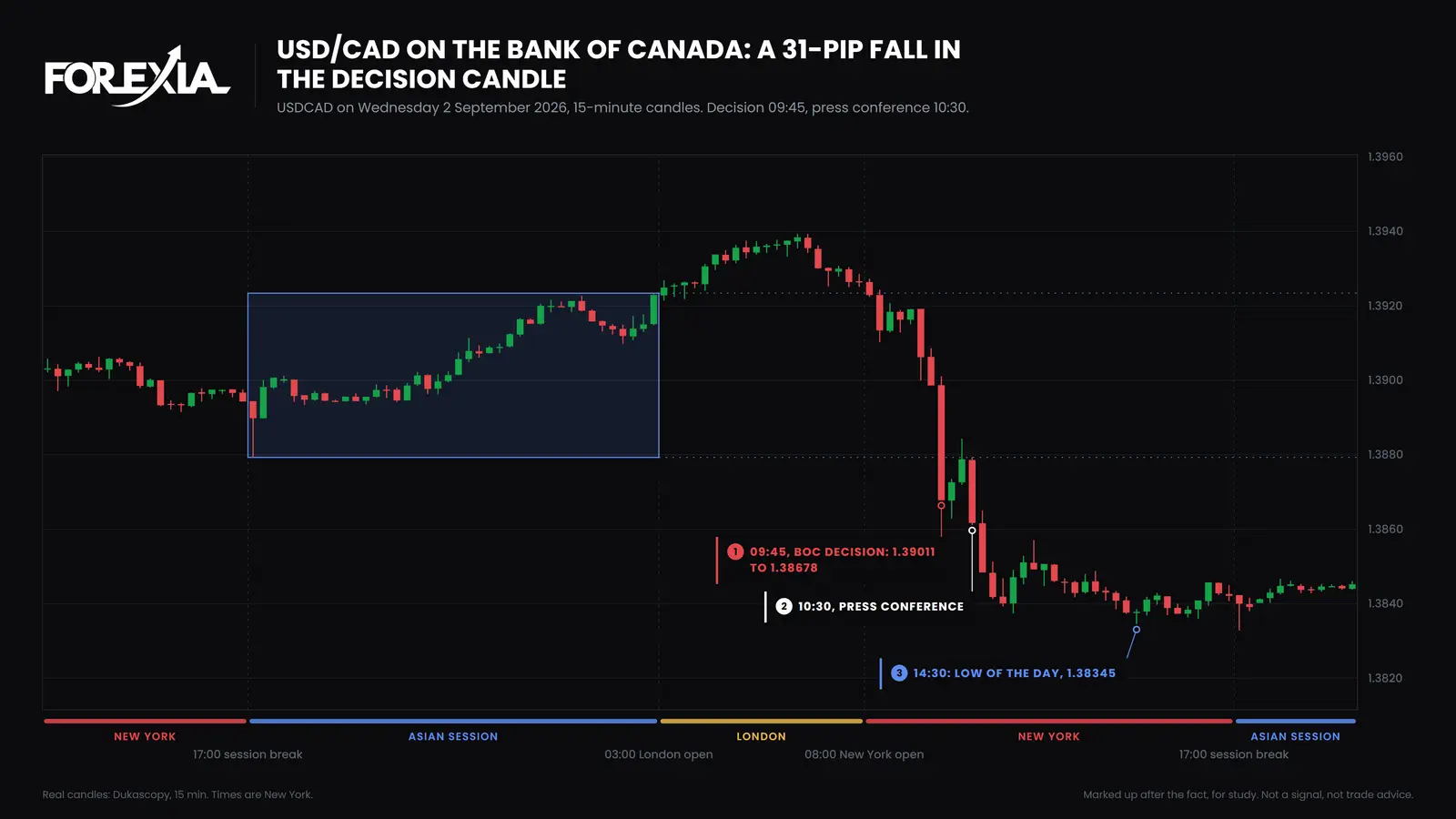
On Thursday 9 April the Asian box on AUD/USD ran 23 pips, from 0.70246 to 0.70478. Through the early London hours price drifted toward the bottom. The 04:45 New York candle closed at 0.70263, a pip and a half over the low. At 05:00 a candle reached 0.70217, three pips under the box, and closed at 0.70300, back inside. Our calendar had no medium or high-impact release for the Australian or US dollar near it.
Price then rose to 0.70944 at 13:30, 73 pips off that low and through the whole box.
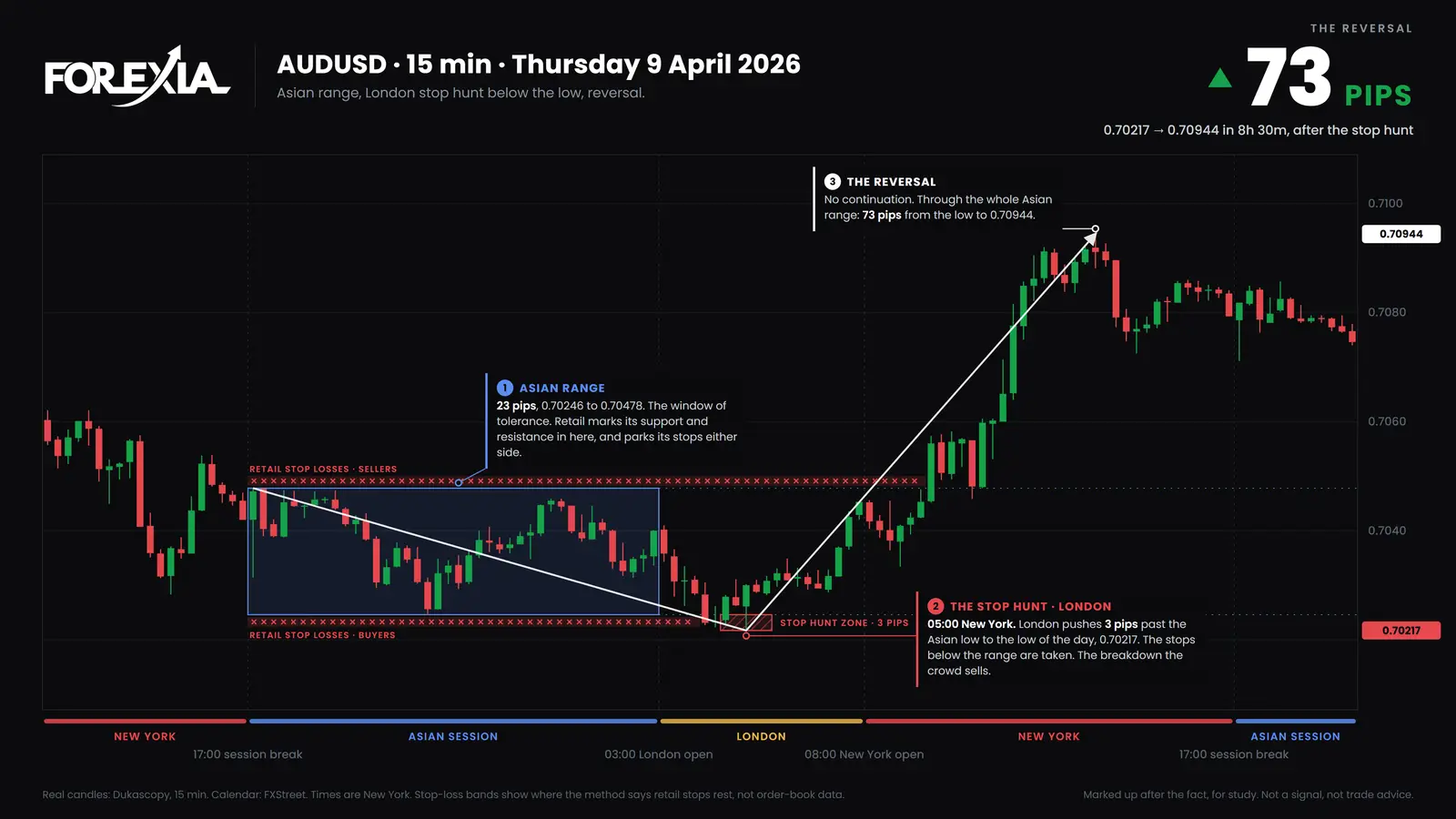
Now take the pull from three seats, on one day. At 05:00 the retail seat sees a breakdown and a rare chance to be early. The market maker's seat is the one nobody outside can see. The observer sees a wick, a close back, and nothing yet.
Someone who sat out the first candle and told themself they would not chase felt the pull by 09:00, when the 09:00 candle closed at 0.70424, 21 pips off the low and still inside the box, and harder by 11:00, when the high of that hour was 0.70606, 39 pips off it. "I should have been in" is a feeling, and it feels like a reason. By 13:30 the move had run another 34 pips. A chase at either hour would have looked right by the afternoon, and it would not have told the trader anything about the next one.
The point is not that the move was predictable. It is that the pull was there before any decision, and a rule written at 04:00 would have had to survive it at 09:00.
What is the note to write before the click?
Three lines, written before you press the button and kept with the trade.
- What I see. The candle that closed, in plain words.
- What would show I am wrong. A price or a close, not a feeling.
- What I feel. One word.
If line 1 names a candle that just moved, a price you missed or a loss you want back, you can see what is driving the trade while you can still act. If the third line is "urgency", "hope" or "owed", the reason in line 1 is probably the feeling. It is a way of seeing, and we found no controlled study that tests it on retail traders. Why you lose in forex with a good strategy is the next step, because the note is also a record of what you did.
When the pull comes after a loss, the first fifteen minutes matter most, and how to stop revenge trading covers them. Professionals do it too: Coval and Shumway (2005) found Chicago futures traders "regularly assuming above-average afternoon risk to recover from morning losses". We read the abstract, not the paper.
Is it fear of missing out, boredom or revenge?
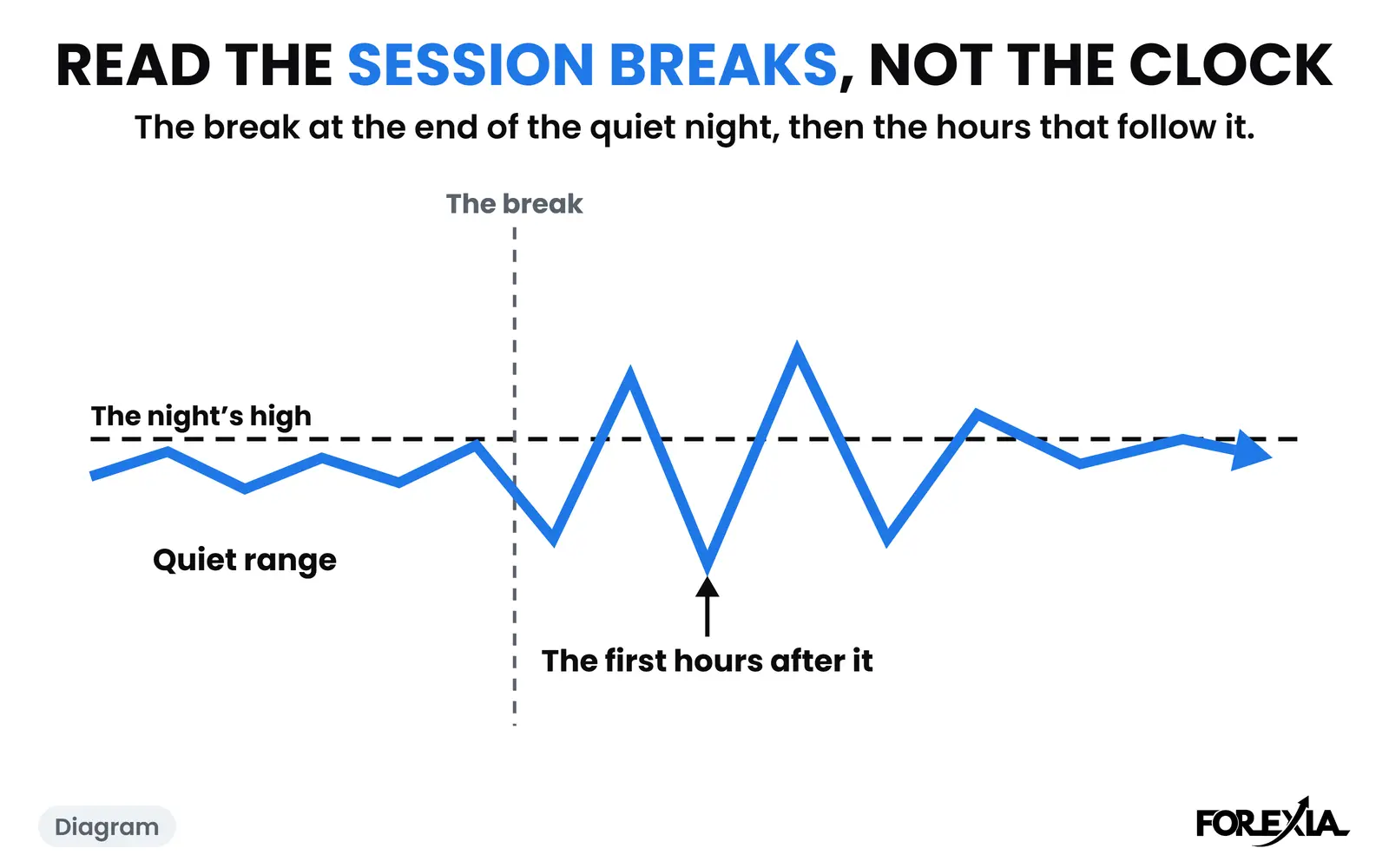
All three, and they overlap. Fear of missing out is the pull after a move you were not in, and the AUD/USD day above is that. Boredom is the pull of a quiet hour, when the night's range has not broken and the only thing happening is you. Revenge is the pull after a loss, with a different feeling and the same click. The first two are about the market moving or not moving, and the third is about your account. The note does not care which it is. It asks only whether you can name a reason that is not a feeling, and what price would make you wrong. When you cannot, that is the answer to the question this page asks.
When is it more than a bad habit?
If you are hiding losses, borrowing to trade, or cannot stop, it may be. Chasing losses is one of the signs the American Psychiatric Association lists for gambling disorder. We are not clinicians. If these fit, talk to a doctor or a gambling support service. Forex trading vs gambling draws the line between a trade and a bet in more detail.
What does this not tell you?
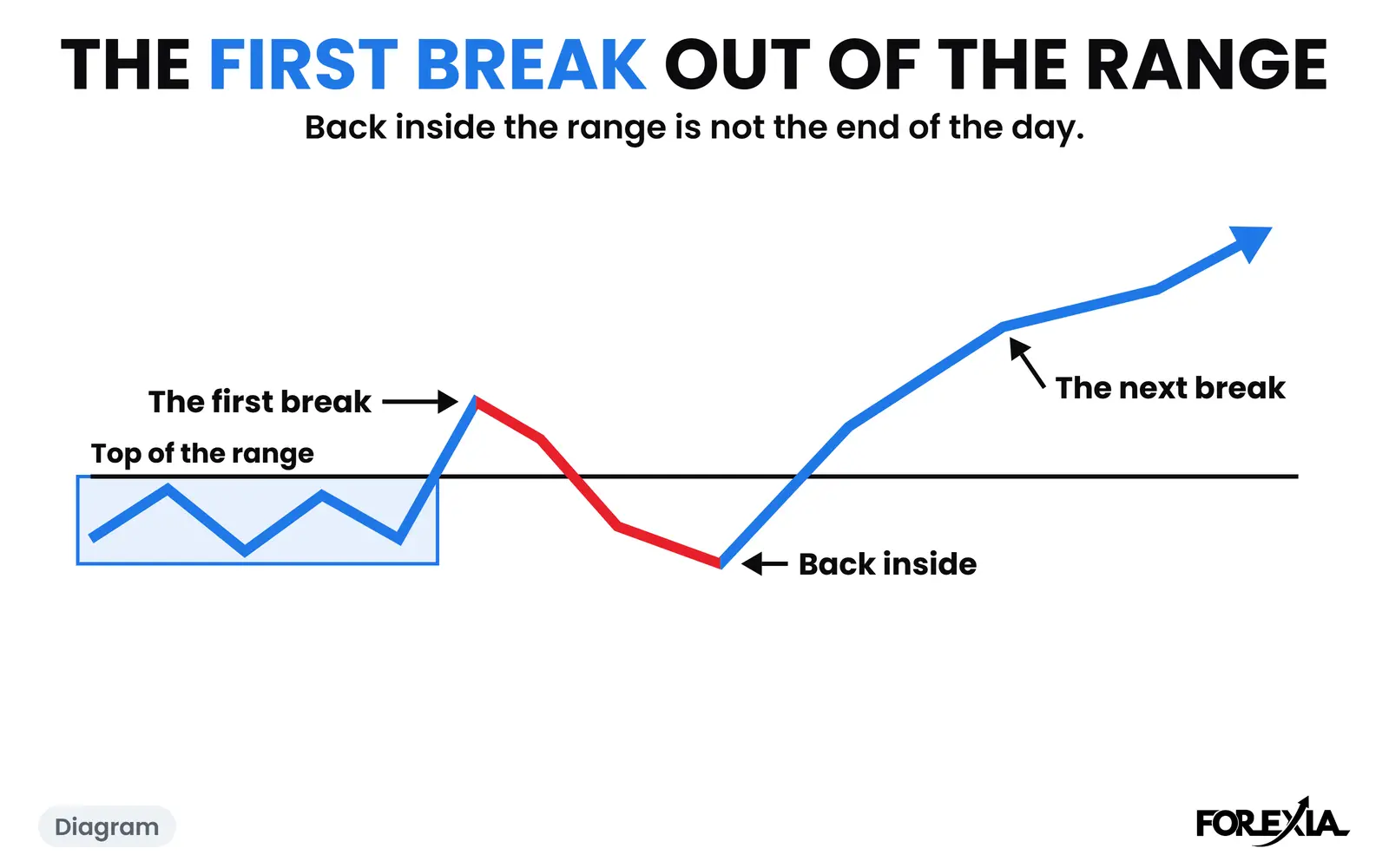
Start with what the day cannot show. Nobody knows what any one trader did on it, and we are not saying anyone did. This page claims nothing about how often a wick under a quiet range is followed by a climb like this one, and not every day does it. The first break of the Asian range counts a related thing.
It does not tell you that you are overtrading, or that the trades you doubt are the wrong ones. One day on a chart shows what one day did, and a reversal seen afterwards is not a setup. The studies are of stocks, futures and German brokerage clients, and several are old. And our own result, that the setup as a fixed rule did not make money, says that discipline cannot fix a rule that loses. It only decides whether you run the rule you wrote.
Common mistakes
Three mistakes keep the pull in charge.
- Trusting the reason you give in the moment. The reason is often the feeling. Write it first.
- Believing you will not chase because you decided not to. The pull comes later in the day, when the chart has moved without you.
- Treating every extra trade as a discipline failure. Some come from a rule that is not clear enough to follow. What is trading psychology and the trading psychology hub look at both.
Course 1 of ForexiaPRO, Reading the Map, teaches reading a chart from three seats, starting with lesson 1.1.
Frequently asked questions
Why do I take trades I know I shouldn't?
Because knowing a rule and following it under pressure are different skills, and several pulls work against the rule at once: a long candle that grabs attention, the entertainment of trading, and a belief that you have read it now. Research on real traders points to each, mostly in stocks. Writing your reason before the click lets you see which pull is behind it.
Why do I overtrade?
Often because the chart is moving and you are watching it. The heaviest traders in a study of 66,465 US households earned less than the market, and the authors read that as overconfidence, though nobody measured confidence directly. Another study found that people who said they enjoyed investing or gambling traded about twice as much as their peers. Both are stocks, and not forex.
How do I stop taking bad trades?
We do not promise a method that works for everyone, and we found no controlled study of one on retail traders. What we do is write a reason before the click: the candle that closed, what would prove it wrong, and what we feel. If the reason names a move we missed or a loss we want back, we can see it while we can still act on it.
Is taking bad trades a sign of a gambling problem?
It can be. Chasing losses is one of the signs the American Psychiatric Association lists for gambling disorder. Hiding losses, borrowing to trade or being unable to stop are signs to take seriously. We are not clinicians, so if these fit, talk to a doctor or a gambling support service.