Market Maker vs ECN Broker: Dealing Desk, STP and What It Means for Your Stop
Dylan Forexia6 min read
The difference is in who takes the other side of your order. A market maker broker, or dealing desk, fills it itself and may keep the risk. An ECN broker passes it to a network where others can match it. An STP broker passes it on to larger firms. All three change your fill. None of them changes where the chart's stops sit.
This page is about your broker. The market maker of our second seat is a different firm, and what market makers do in forex covers it.
What is the difference between a market maker broker and an ECN broker?
It is mainly who is on the other side, and how you pay.
| Broker model | What happens to your order | What it changes for you |
|---|---|---|
| Dealing desk, or market maker broker | The broker fills it itself and may keep the risk or offset it in bulk | A conflict of interest, and prices it may set itself. Often no commission. |
| STP | The broker passes it on to larger firms, sometimes with a mark-up in the spread | Your fill depends on who it is passed to |
| ECN | It is matched on a network of other participants | Variable spreads and usually a commission |
Two cautions come with the table. The labels are marketing as much as description, and a broker can run more than one model, sending some clients' orders on and keeping others. And neither side is simply better. A dealing desk can quote a steady spread, and an ECN's spread can widen sharply when the market is thin. Count the whole cost, spread plus commission, on the pair and the hours you trade.
What is a hybrid broker, and why does it blur the line?
Many brokers run A-book and B-book at once. The A-book passes a trade on to outside liquidity. The B-book keeps it in house. A broker may sort clients between the two, or sort trades by size, and it does not have to tell you which side you are on unless a rule makes it.
That is why a label on a website tells you less than you would like. A firm that calls itself ECN and charges no commission, or one that says "no dealing desk" and quotes a fixed spread, is describing a marketing position. The sensible test is what it must disclose and what you can measure: your own fills against a second feed, over many trades, not one.
It also explains why a comparison page cannot hand you a winner. Most pages that rank for this search are written by or for brokers, and many earn a referral when you sign up. This page names no broker. It tells you what the three models do, and that your stop's position on the chart is a separate matter from all of them.
What does the law make a dealing desk say?
In the United States it makes the broker say it plainly. Rule 5.5 of the CFTC's regulations requires a retail forex dealer to print, in capitals: "WHEN YOU SELL, THE DEALER IS THE BUYER. WHEN YOU BUY, THE DEALER IS THE SELLER." And: "YOUR DEALER IS YOUR TRADING PARTNER WHICH IS A DIRECT CONFLICT OF INTEREST." And: "YOUR DEALER MAY SET ITS OWN PRICES."
The same rule makes those dealers disclose, for each of the last four quarters, what percentage of their accounts were profitable. Ask to see it. Other countries have their own rules, so read the ones that cover your broker.
Which broker model hunts stops?
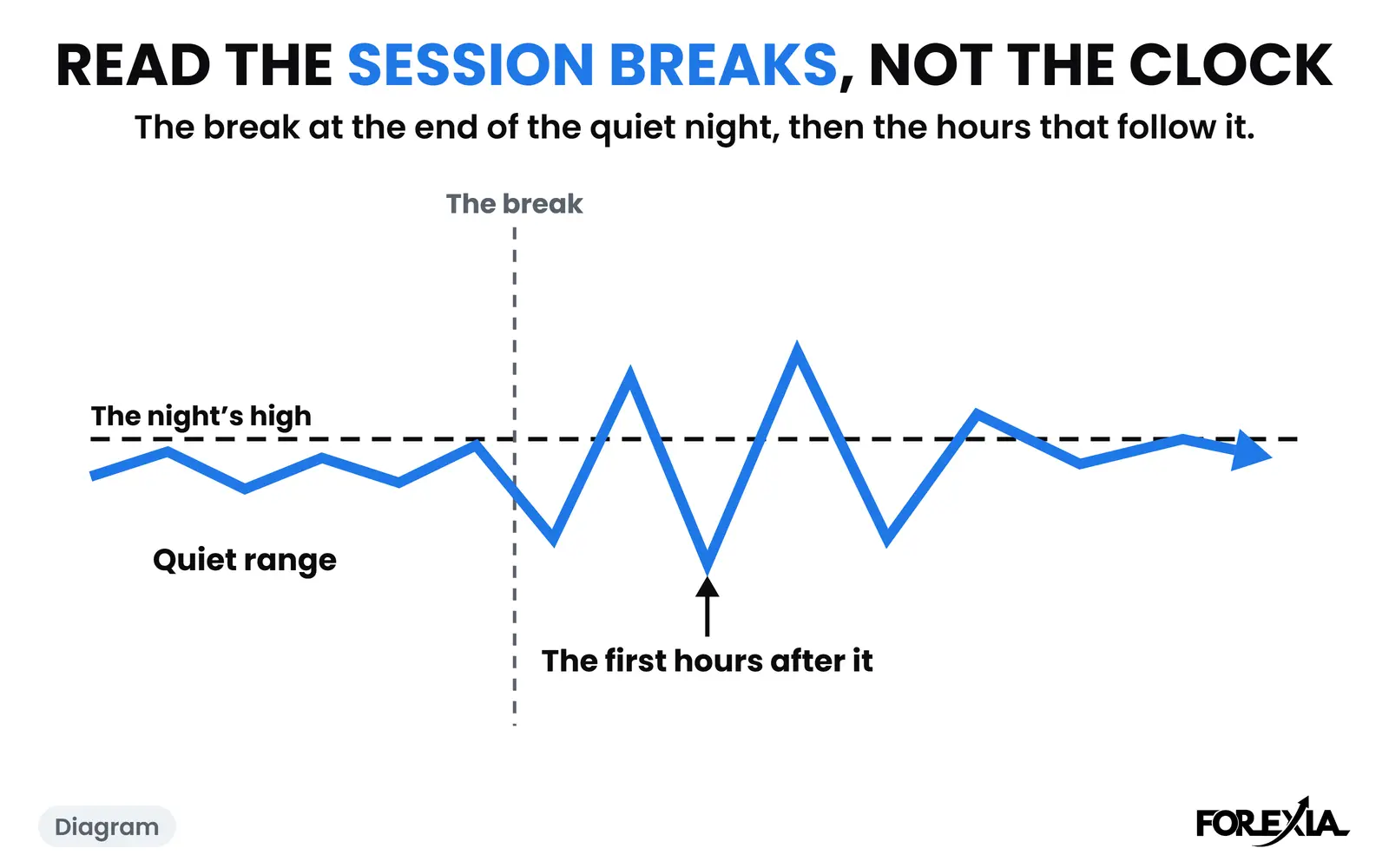
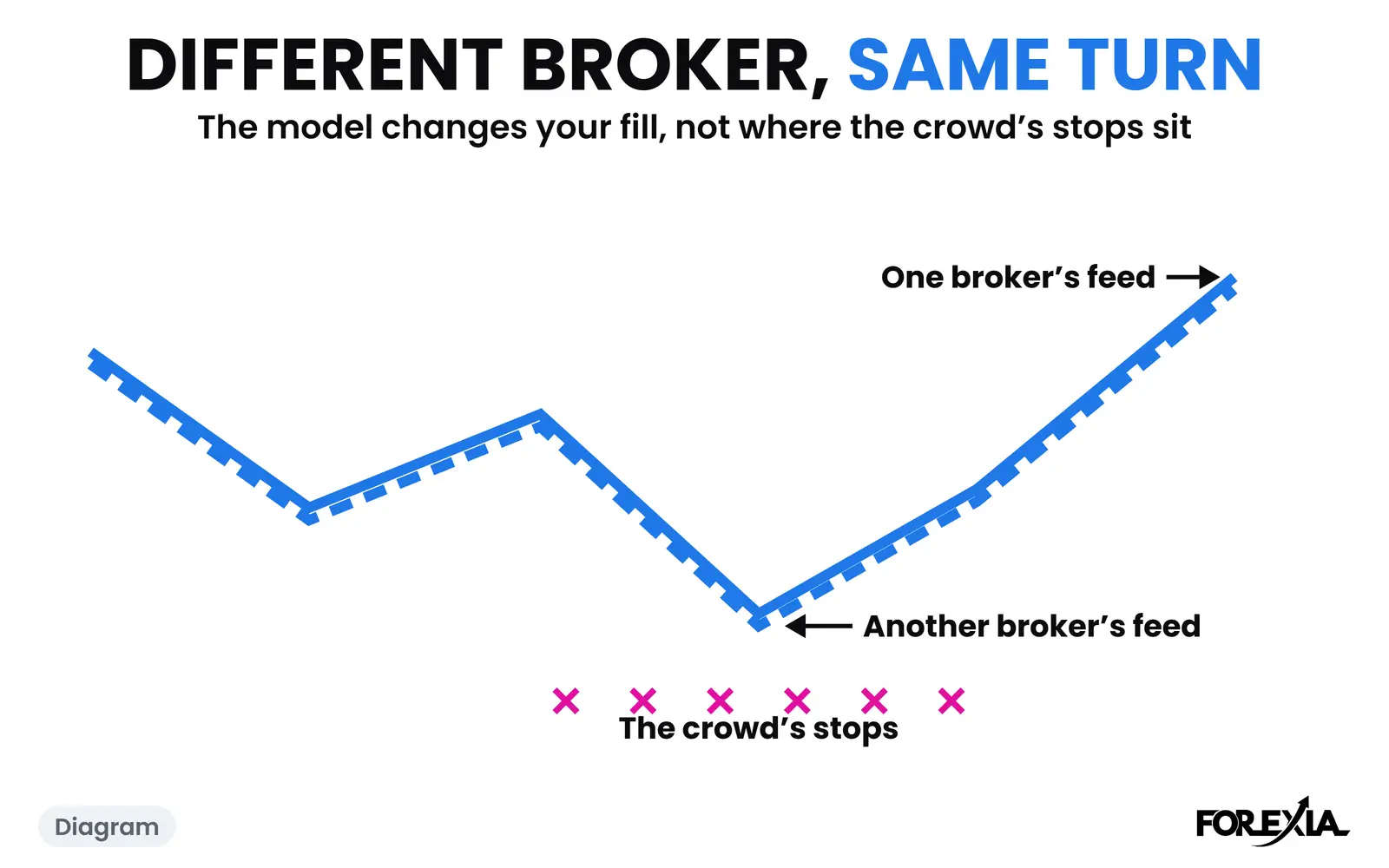
None of them can move a major pair, and a broker's model is not what puts the crowd's stops where they are. The stops sit at obvious levels: above a quiet range's high, below its low, past yesterday's high. Every trader who learned the same chart marks the same places, so the pile is there on every feed.
What a broker can affect is your fill. A spread that widens at the wrong second, a slower feed, or a quote that differs from other brokers' can set off a stop that another account would have survived. You can check that. Open a second feed on the same pair and compare the candle at the time of the stop. If your broker's price traded through your stop and the other feed's did not, that is a fill problem, and it is worth taking to the broker or the regulator.
Whether any dealer in the wholesale market has hunted stops on purpose is a separate question. The market's own FX Global Code lists trading designed to move the market to a stop level as unacceptable. It is voluntary, and a code is not evidence of what happened on a given day. Our own read, labelled as one, is that the stop hunt collects the stops behind an obvious level.
What does a real day show about the broker's model?
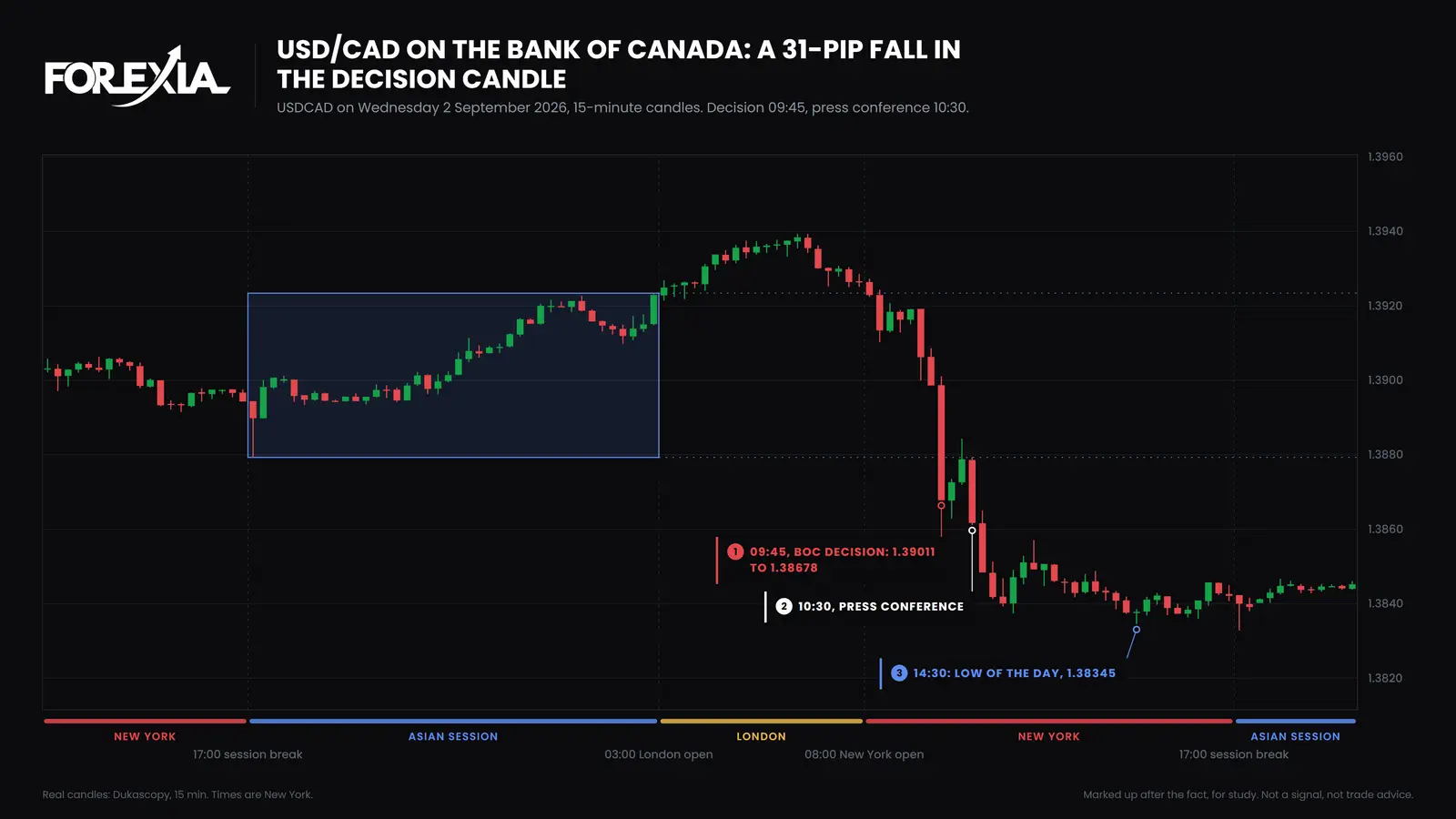
It shows that the level, and the turn at it, are the same whichever broker you use. Here is gold on Thursday 14 May 2026, on 15-minute Dukascopy candles in New York time. On our charts $1 counts as 1 pip, and another feed may differ by a pip or so.
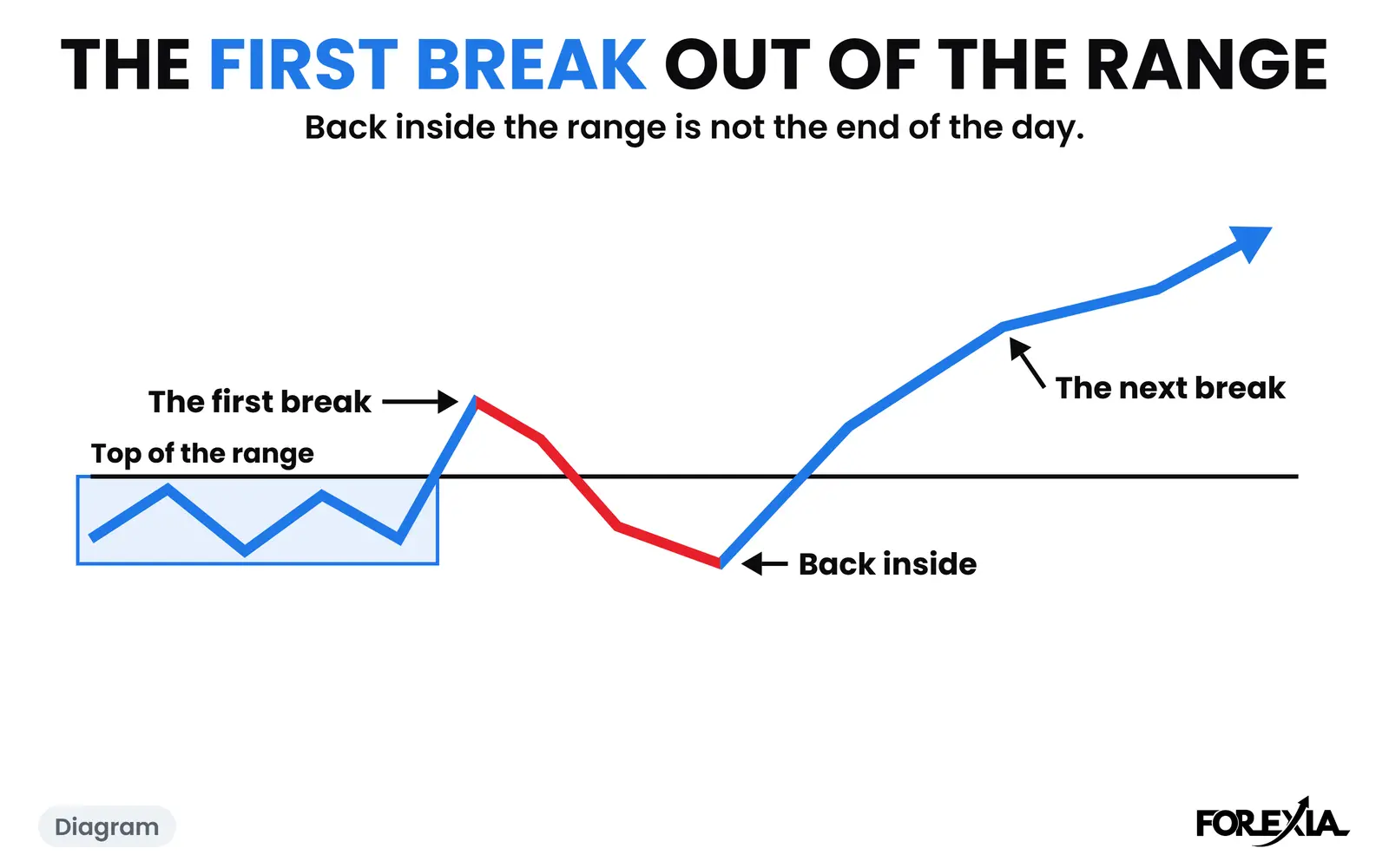
Asia held a 44-pip range, 4668.16 to 4712.44. At 03:30 New York, at the London open, price pushed 6 pips above the top, to 4718.57, the high of the day. The first 15-minute close back under the range top came at 03:45, at 4709.05. Price then fell 75 pips, to 4643.97 by 16:30, through the whole Asian range. We found no medium or high-impact release for gold or the dollar lined up with that push.
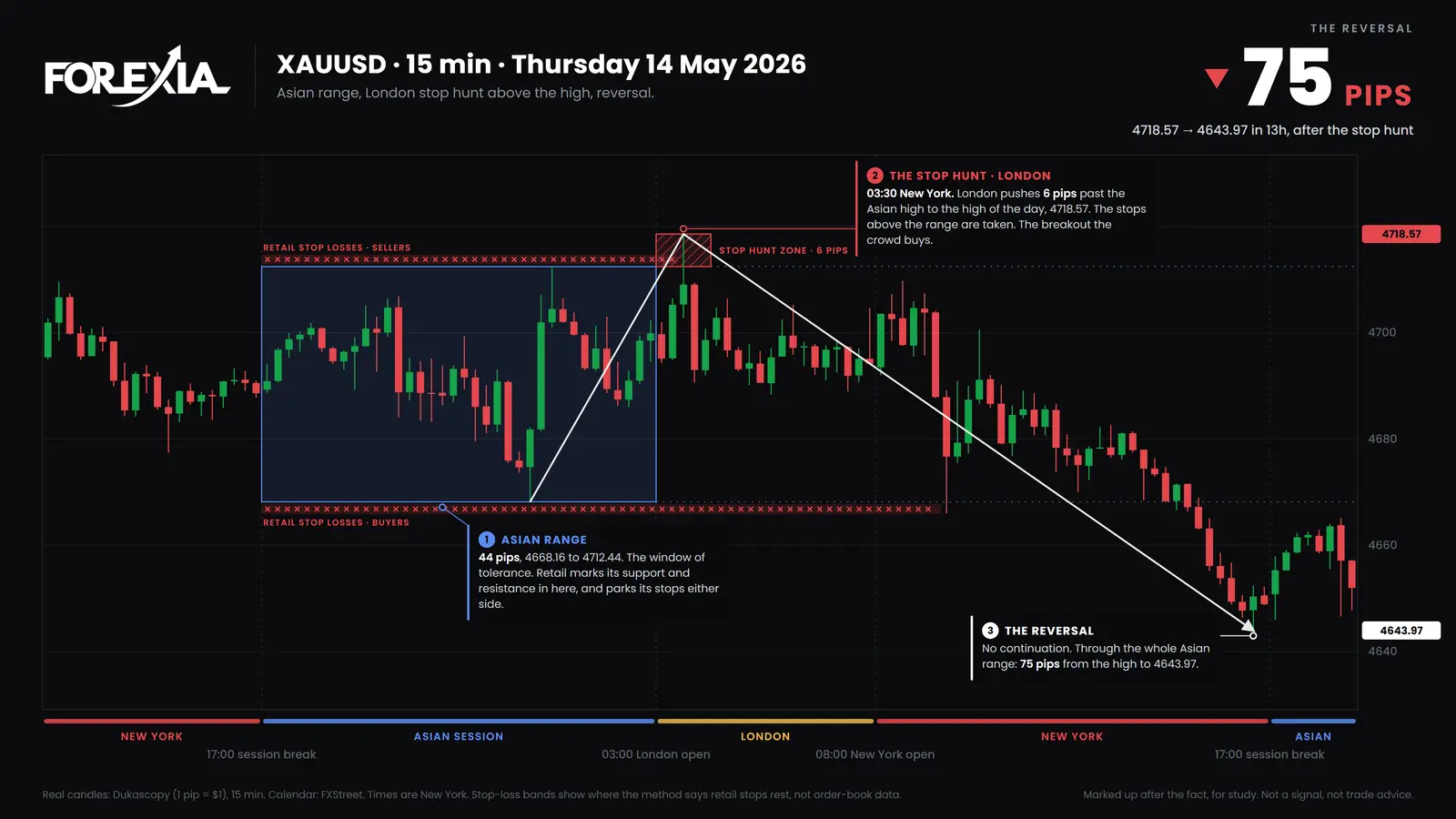
A trader long above the range on a dealing desk and one on an ECN each had a stop under the range or just over the high, and both saw the same candle. The difference between them was a pip or two of spread, and perhaps a requote. The turn did not depend on who they dealt with.
Read that as a reading. We chose the day because it reversed, nobody outside saw the orders at 4718.57, and a reversal seen afterwards is not a setup. When we ran the idea as a fixed rule it did not make money. Our page on the stop hunt gives the sample and the limits.
How do you choose between the models?
Choose on cost and conduct, not on a promise about stops. Ask four things, and read the answers rather than the label.
- Is the broker your counterparty on every trade? Some keep all of it, some pass on part.
- What is the all-in cost? Spread plus commission, on your pair, at the hours you trade.
- What did the quarterly disclosure say? Where the rule requires one, the share of profitable accounts is printed.
- Can you compare its prices with a second feed? Keep one open on the same pair.
None of this tells you how to place a stop. Where the crowd's stops sit is the same on all of them, which is why the three seats read a chart without asking whose broker you use. For how the wholesale side works, read how banks trade forex, and for the comparison of your position with theirs, retail traders vs institutional traders. The wider picture is on the institutional trading page.
Course 1 of ForexiaPRO, Reading the Map, teaches this read step by step, starting from lesson 1.1.2, Retail, Market Maker, Observer.
Frequently asked questions
What is the difference between a market maker broker and an ECN broker?
A market maker broker, also called a dealing desk, fills your order itself and may keep the other side of your trade. An ECN broker sends it to a network where other participants can match it, and usually charges a commission on top of a variable spread. The first can have a conflict of interest. The second still has costs, and the labels are partly marketing.
Is an STP broker the same as an ECN?
No. An STP broker passes your order on to larger firms, often with a mark-up inside the spread. An ECN matches it on a network. A broker can also run both models, or send some clients' orders on and keep others. Ask the broker how it handles your account rather than relying on the label.
Does a market maker broker hunt my stop?
A broker's own feed can differ from other feeds, and a wide spread at the wrong moment can trigger a stop that another broker's would not. That is a fill problem you can check against a second feed. It is not the same as moving the market, which a retail broker cannot do on a major pair.
Does an ECN account stop stop hunts?
No. The crowd's stops sit where the chart's obvious levels are, on every broker's feed. An ECN can change your spread and your fill. It does not change where other traders' orders rest.
What must a US retail forex dealer tell me?
Under 17 CFR 5.5, it must print in capitals that when you sell, the dealer is the buyer, that the dealer is your trading partner, which is a direct conflict of interest, and that it may set its own prices. It must also disclose, for each of the last four quarters, what percentage of its accounts were profitable.