Wedge Pattern Trading: Why Order Matters (Wedge, Range, Window)
Dylan Forexia6 min read
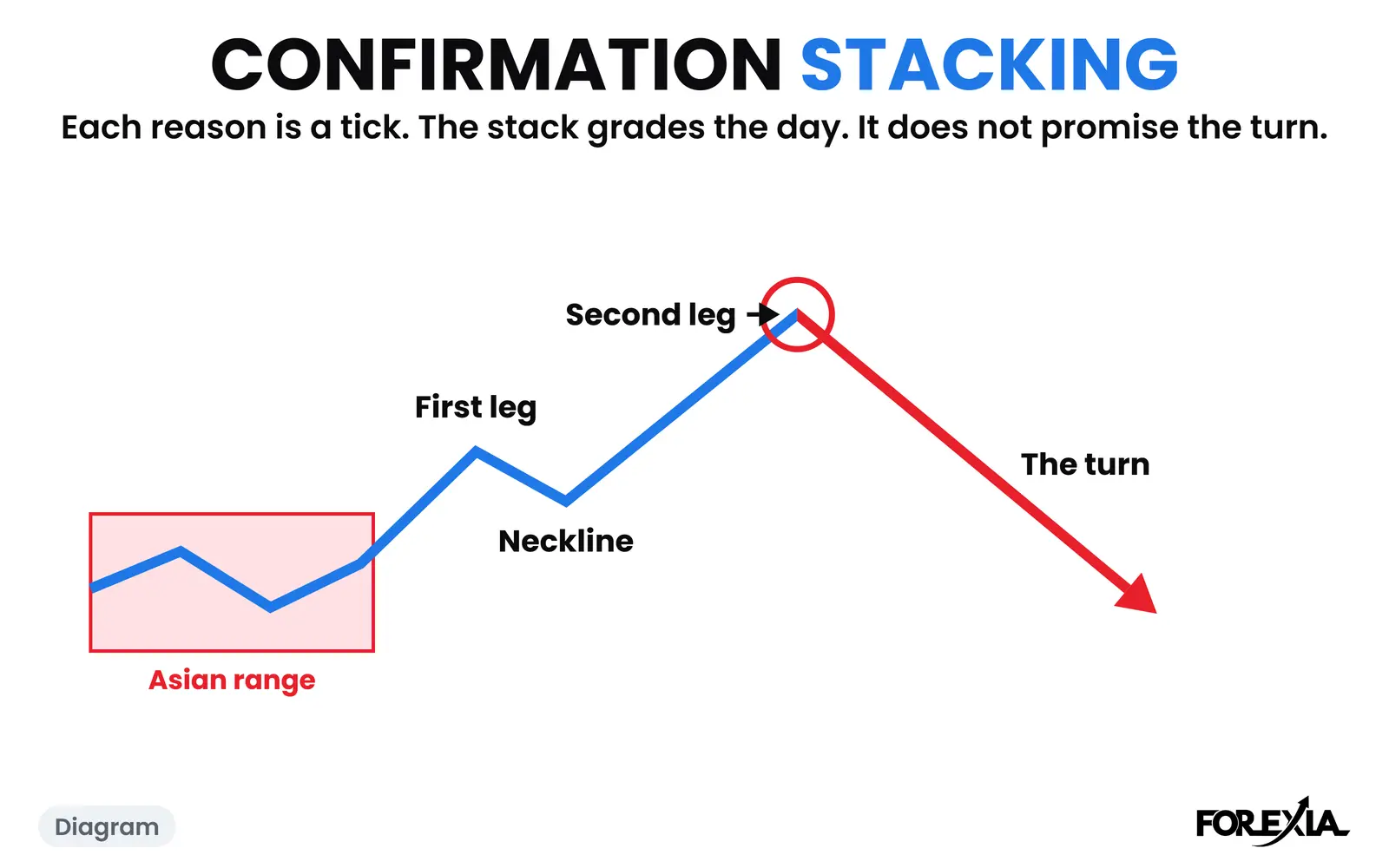
Wedge pattern trading usually means one thing: spot the wedge, trade its break. The #SignatureTrade asks for three things and in a fixed order. A wedge on day one, a clear Asian range on day two, and a break of the wedge and the previous day's high inside the window around the London or New York open. This page is about why that order matters and what goes wrong when one part is missing.
The setup is defined in the glossary, what the #SignatureTrade is. The hub for it is the #SignatureTrade, and the plain explanation of the first condition is the rising wedge breakout.
What does wedge pattern trading leave out?
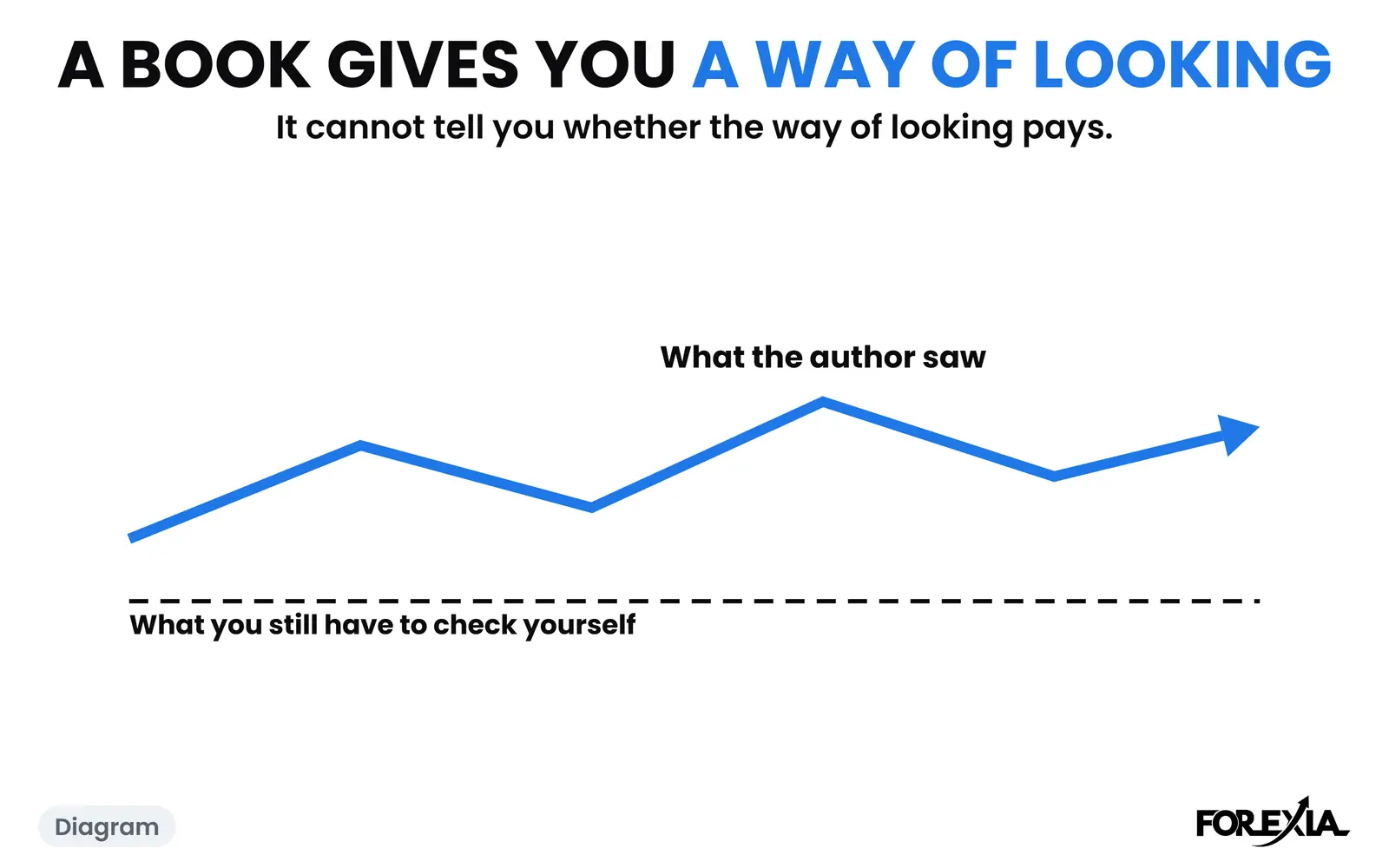
The textbook gives a shape and a break, and nothing before or after. A guide says a rising wedge is bearish, you sell the lower line, and the stop goes over the high. It has no day before the wedge's break, no range after it, no clock and no level the break must go through.
That is a lot to leave out. A wedge is common. On seven dollar majors and gold, from 6 April to 1 October 2026, our rule found 184 rising wedges and 153 falling ones on 15-minute candles in 1,030 market-days: roughly one wedge for every three market-days. A pattern that common cannot be the setup. What makes the #SignatureTrade rare is the other two conditions.
Why does the wedge come first?
Because it is where the belief is made. Price has been rising between converging lines for hours, and everyone who sees the pattern has a plan: sell the lower line, buy the dip, or wait for the break. The orders that plan implies, entries and stops, sit at the lines and past the high.
We read that as the crowd being invited in, and the course word for it is induction. It is our reading, and a wedge alone does not prove it. In our count, only 16 of 140 rising wedges that broke down had closed under the last low when the line gave way. For most of them the line had caught price, so the break was not the fall the textbook describes. Which way a rising wedge breaks has the table.
Why does the clear Asian range come second?
Because it puts the stops at two places you can see, and it does it in a known time. The Asian Box runs from the 17:00 New York session break to the London open at 03:00. The more consolidated it is, the cleaner the edges and the clearer where the stops are. The owner judges it by eye, and sets no minimum.
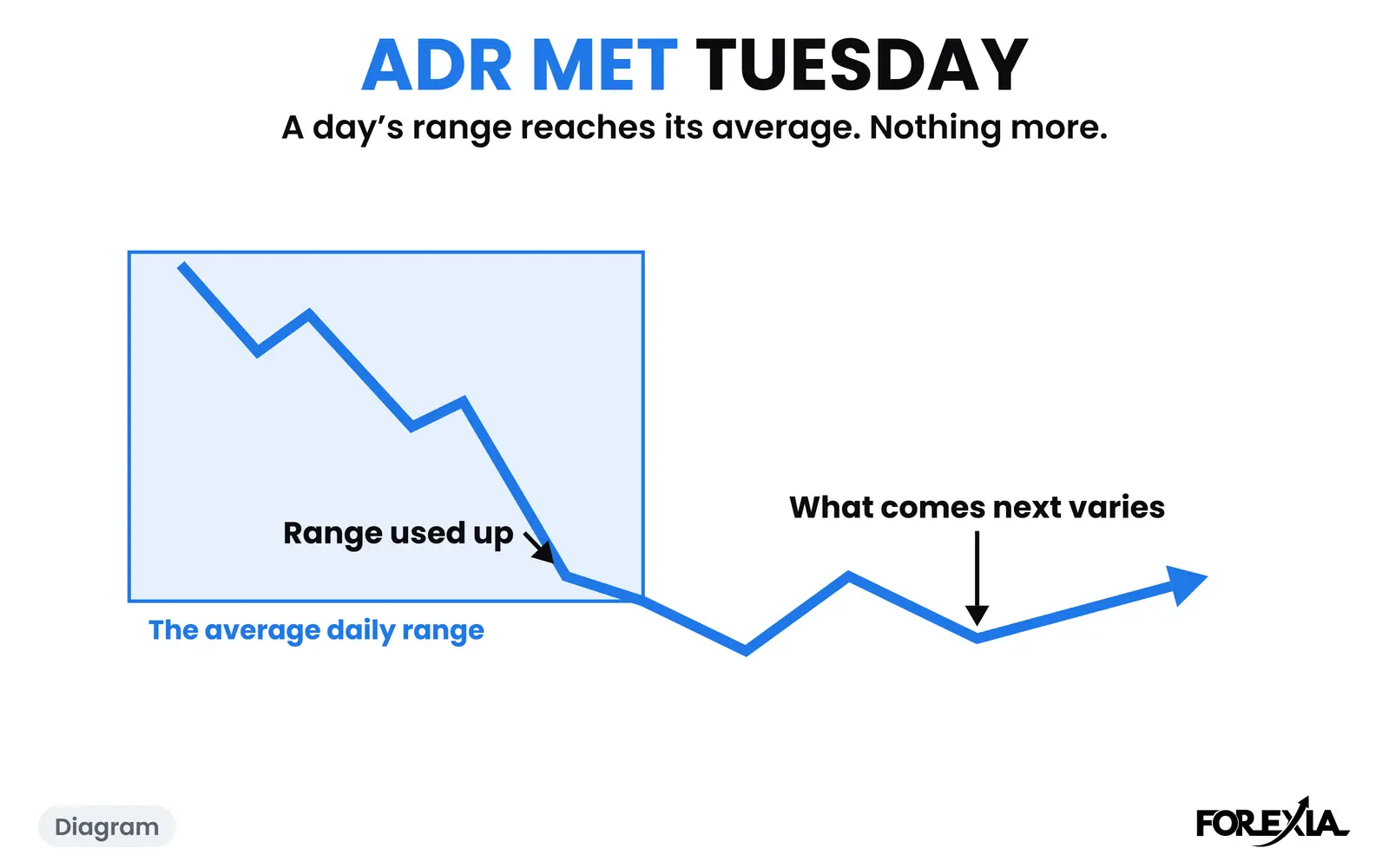
For scale, the median box over 25 weeks and four days was 23 pips on EUR/USD, 30 on GBP/USD, 41 on USD/JPY, 24 on USD/CHF, 25 on AUD/USD, 23 on USD/CAD, 26 on NZD/USD and 54 on gold, where $1 counts as 1 pip. That is 40% to 52% of each market's average day. A range far outside its own market's usual size is hard to call clear. This is context, and not a threshold.
Why does the window come third?
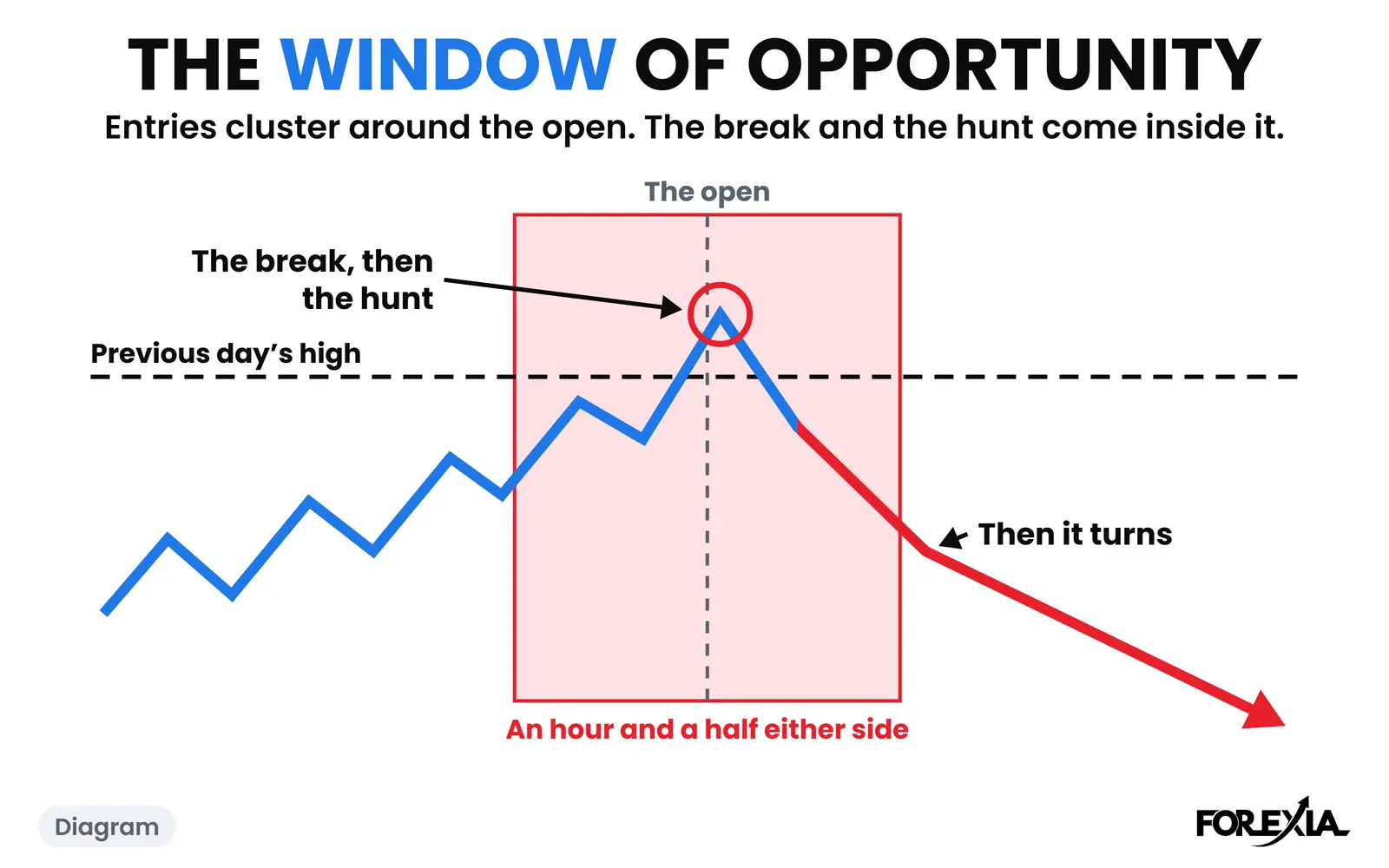
Because the break has to arrive when the level is crowded. The Window of Opportunity is the stretch from an hour and a half before to an hour and a half after the London or New York open. London is the usual place, and a New York break counts.
The clock is not a signal. We counted how often a previous day's high or low was first taken from the London open to 17:00, on the same sample: 422 times. Of those, 59 came in the 90 minutes after the London open, 117 in the window around the New York open, and 246 outside both. So about two in five came inside a window, and most did not. A level taken at 14:00 with no wedge before it and no range is not this setup.
What does a window look like on a real day?
EUR/USD on Wednesday 12 August 2026 shows the clock and the level. It is not a wedge day, and we say so rather than claim it. The Asian Box ran from 1.15320 to 1.15446, 13 pips, and Tuesday's high was 1.15497.
The London window ran from 01:30 to 04:30 New York, and price moved about 7 pips in it. At 05:15 a candle touched Tuesday's high at 1.15497 and closed at 1.15426, 2 hours 15 minutes after the open, which is outside the window. The New York window ran from 06:30 to 09:30. At 08:30 US inflation came out, and that candle ran from 1.15329 to 1.15623, 29 pips, the first to go past Tuesday's high by a real margin. It closed at 1.15580. The furthest price came on the 09:00 candle at 1.15628, 13 pips past the level.
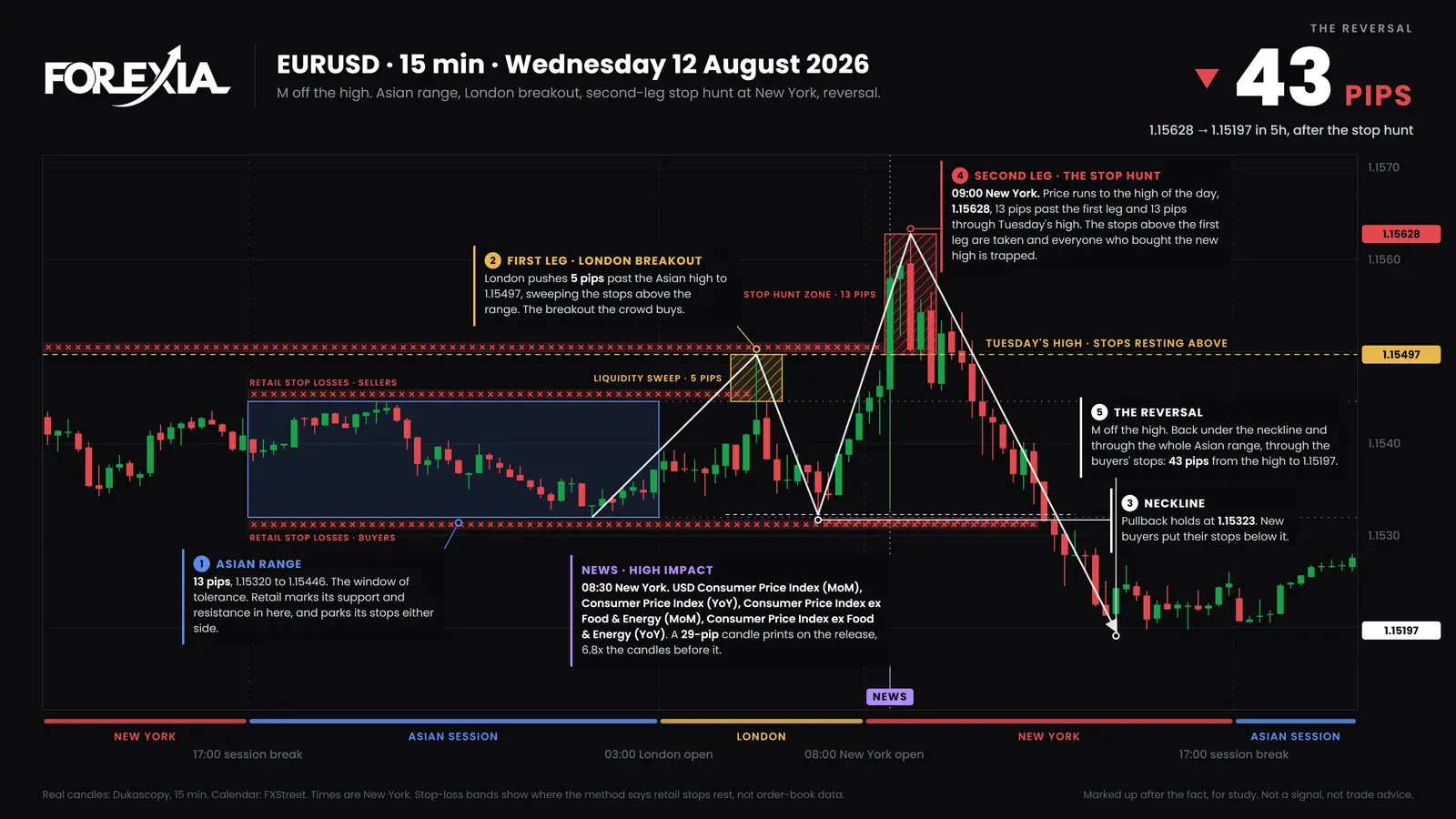
The 09:30 candle closed at 1.15466, back under Tuesday's high. We read the stops above that level as filled by someone selling into them, a stop hunt, here after a release, with the second leg arriving on the news. The 43 pips down are measured afterwards. This day has the range, the level and the window and no wedge, so by the owner's rule it is not a #SignatureTrade.
Does the same order hold for the buy version?
It is the mirror, point for point. A falling wedge on day one, a clear Asian range on day two, and a break of the wedge and the previous day's low in the window. The crowd that is invited in is the crowd that sells the break, and its stops are above the range instead of under it.
The textbook says a falling wedge breaks up, and on our sample it usually did: 128 of 153 broke up, 22 broke down and 3 did not break. Of the 128, 15 had closed over the last high when the line broke, so the same point holds here. A line break is usually the line catching price. The two wedges are compared in rising wedge vs falling wedge.
What goes wrong when the order is broken?
Three things, each a reading of how the pieces depend on each other.
- No wedge before the break. The level is taken, but nobody has been led to expect a continuation. There is less belief to trade against.
- No clear range. The stops are not at places you can see. A messy night leaves a messy chart, and the owner's rule is to never force it.
- No window. A break at a quiet hour may simply be price drifting. The open is when orders arrive.
None of these says a missing piece makes a reversal impossible. It says the day is not the setup, and the difference matters for how you count it afterwards.
What does our own test say?
We tested the setup as a mechanical rule, with fixed conditions, and it did not make money. A wedge with a range and a window is a description of where to look, not a promise that the break turns. A reversal seen afterwards is not a setup. The figures and limits are in the backtest.
Course 5 of ForexiaPRO, The #SignatureTrade, teaches the order step by step, in lesson 5.1.2. It is on ForexiaPRO.
Frequently asked questions
How do you trade a rising wedge pattern?
The textbook sells a break of the lower line with a stop above the high. We do not give a trade rule here. We say that in our count of 184 rising wedges only 16 of the 140 that broke down had fallen under the wedge's last low when the line broke, so the break is usually the line catching price, not a move that has started.
What is a falling wedge pattern breakout?
It is the mirror of the rising wedge: two falling lines that converge, with the upper line steeper, and a book reading that it breaks up. Of 153 falling wedges in our count, 128 broke up, 22 broke down and 3 did not break. In the #SignatureTrade a falling wedge into the previous day's low is the buy version.
Why does the order of wedge, range and window matter?
Each one gives the next something to do. The wedge puts a belief in the crowd, the clear Asian range puts its stops at visible edges, and the window is when the break of the previous day's level arrives. A break with no wedge before it, or no clear range, is not a #SignatureTrade, because the setup is never forced.